Latest News and Tips from Happy Tails Pet Care
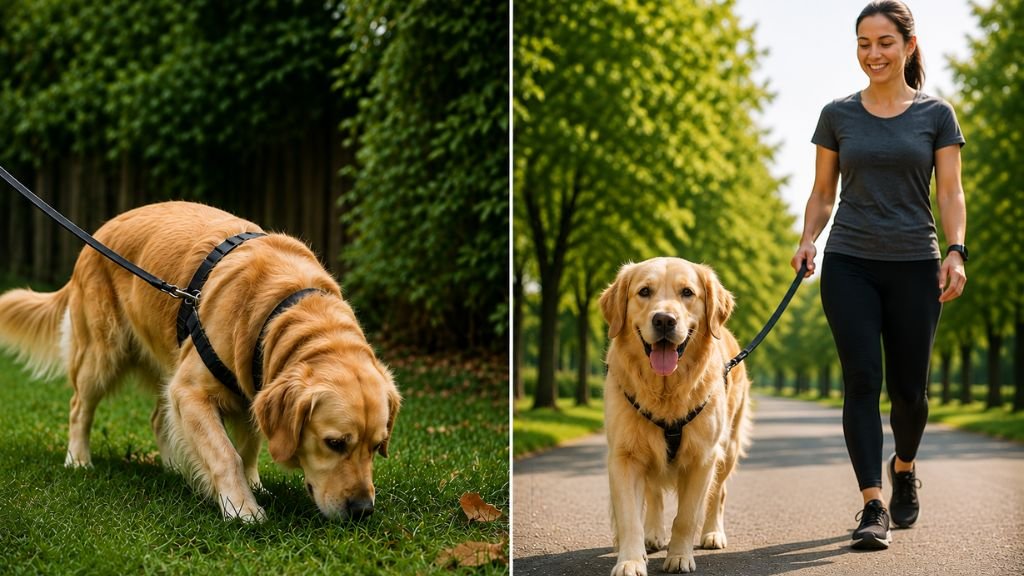
You take your dog on a 45-minute walk, and the moment you get home, they are still bouncing off the walls. Sound familiar? It turns out the problem might not be the length of the walk. It might be what your dog is actually doing during it.
The secret to a genuinely tired, content dog often has less to do with how far their legs travel and more to do with how hard their nose is working.
What Your Dog's Nose Is Actually Doing
A dog's sense of smell is estimated to be anywhere from 10,000 to 100,000 times more powerful than a human's. Their nose contains up to 300 million olfactory receptors, compared to roughly 6 million in humans. This is not a small difference. It is an entirely different sensory world.
When your dog stops to sniff a fire hydrant, a patch of grass, or something invisible on the sidewalk, they are reading a full story written in odor. Other animals, people, and pets have passed by, and each one has left behind chemical data your dog's brain is actively processing.
This is the same biological machinery that makes a detection dog capable of finding drugs, cancer cells, or missing people. Your neighborhood dog is running that same powerful software on every single walk.
Why Sniffing Is More Tiring Than Walking
Here is something that surprises most pet owners: mental stimulation uses real energy. When your dog is actively engaged in sniffing and decoding odors, their brain is working hard. That cognitive effort burns energy just like physical exercise does.
Behavioral enrichment researchers and organizations like the Baypath Humane Society have long pointed to nose work and scent-based activities as some of the most effective tools for calming anxious or high-energy dogs. The Baypath Humane Society of Hopkinton specifically highlights sniff-based enrichment as a way to support dog behavior and overall well-being.
A 20-minute sniff-heavy outing can leave a dog more satisfied and calm than a brisk 45-minute structured walk where they are constantly redirected away from interesting smells. The mind gets a genuine workout, and the dog feels it afterward.
The Problem With "Heel and Go" Walks
Most dog owners walk with a goal in mind: get the dog some exercise, get back home, get on with the day. That often means a steady pace, a tight leash, and a frustrated dog who keeps getting pulled away from every interesting odor on the route.
This style of walking is physically adequate, but it misses the behavioral enrichment component that keeps a dog truly balanced. You are essentially asking your dog to ignore the most stimulating thing in their environment, their nose, for the entire outing.
Over time, this can contribute to anxiety, restlessness, and that "still full of energy" feeling even after a long walk.
How to Let Your Dog Actually Sniff
Shifting to a sniff-focused walk does not require any special equipment or training program. It just requires a change in intention.
The idea is simple. Let your dog lead with their nose. Instead of choosing the pace and the path, you follow where the sniffing takes them. Let them linger on a smell. Let them circle back. Give them permission to be a dog, not just a walking partner.
A few practical ways to make it work:
Designate certain walks or portions of walks as "sniff time" with no pace expectations
Use a long line or a retractable leash in safe, open spaces so your dog has more range to explore odors
Try sniff-based games at home, like hiding treats around a room and letting your dog use their nose to find them
Visit new environments where unfamiliar scents provide extra brain stimulation
The goal is to shift from treating the walk as a physical drill to treating it as a sensory experience.
Sniffing and Dog Anxiety: A Real Connection
Many dogs in Columbus deal with anxiety, whether from separation, noise sensitivity, or just an under-stimulated lifestyle. Exercise alone rarely solves anxiety. But behavioral enrichment, especially sniff-based activity, can make a meaningful difference.
When a dog is locked into following a scent trail, their focus narrows, their body calms, and the nervous system has something constructive to do. It is similar to how a puzzle or an absorbing task quiets a busy human mind. The sense of purpose matters to a dog just as much as the physical output.
If your dog is restless, reactive, or struggling to settle, adding intentional sniff time to their daily routine is worth trying before assuming they just need more miles on their paws.
What About Cats?
This article is mostly about dogs, but it is worth noting that cats also benefit from sensory enrichment. A cat allowed to sniff new objects, explore different textures, or investigate outdoor smells through a screened window is a more content, less anxious pet. The principle is the same: engaging the sense of smell matters more than most pet owners realize.
How a Professional Dog Walker Fits Into This
A good dog walker is not just someone who moves a dog from point A to point B. They pay attention to what a dog needs that day, including when a slower, sniff-heavy outing will serve the pet better than a faster-paced walk.
At Happy Tails Pet Care, walks are tailored to the individual dog, their energy, their behavior, and what kind of stimulation actually helps them thrive. That kind of attention is what separates a professional daily walking routine from a quick spin around the block.
If your dog is still wired after walks, or if you have noticed anxious behavior creeping in, a structured walking routine with someone who understands canine behavior and enrichment can make a real difference.
Why Sniff-Focused Walks Leave Dogs Happier
Your dog does not always need more miles. They need more sniffs. Giving your dog the freedom to use their nose is one of the simplest and most effective forms of behavioral enrichment available. It calms anxiety, engages the mind, and leaves your dog genuinely satisfied.
If you are looking for a walking routine that actually works for your dog's whole self, explore Happy Tails Pet Care's dog walking services in New Albany or Worthington and see what a difference thoughtful, consistent care can make.