Why a Car Ride Beats a Walk for Some Dogs
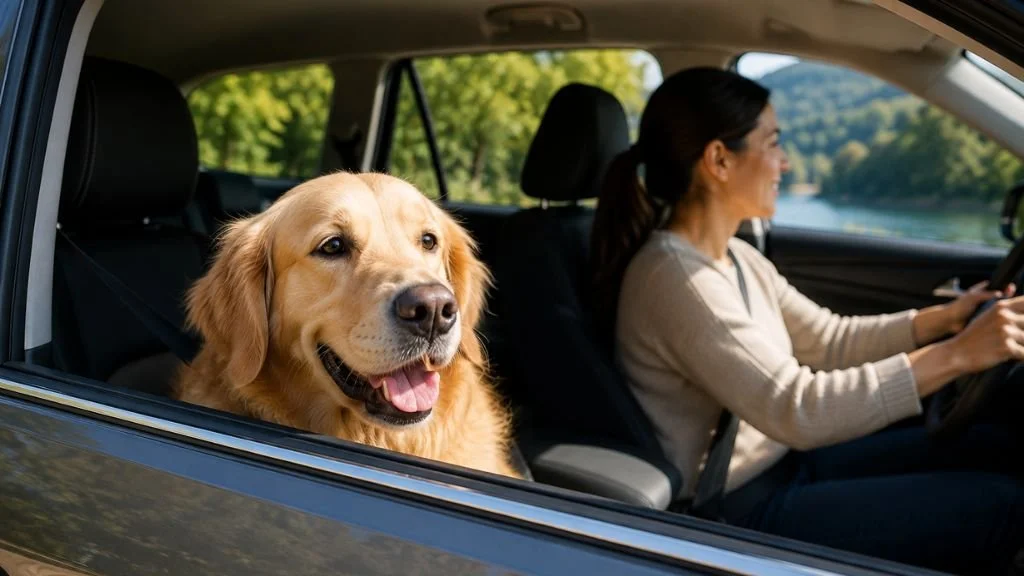
Not every dog is built for the sidewalk. While a brisk walk works wonders for most pets, some dogs genuinely do better with a car ride as part of their routine. It sounds a little counterintuitive, but once you understand the behavior and health factors behind it, it starts to make a lot of sense.
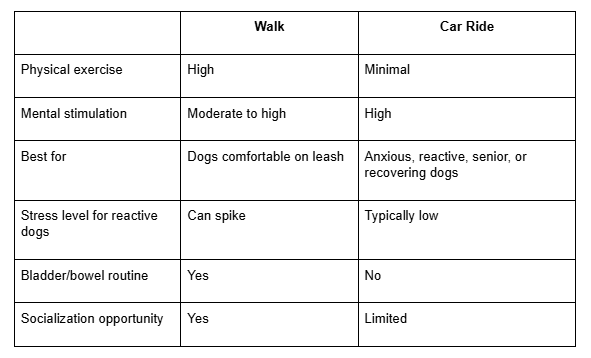
Quick Answer: A walk wins for physical fitness. It builds muscle, supports joint and digestive health, and gives your dog a real cardio workout. A car ride wins for mental enrichment in dogs who are anxious, reactive, senior, or recovering from injury. Most dogs do best with a mix of both, not one instead of the other.
When a Walk Causes More Stress Than It Relieves
Exercise is important, but so is the way a dog experiences it. For some dogs, the sidewalk is full of triggers - other dogs, loud traffic, unfamiliar people, and unpredictable movement. Instead of burning off energy, these walks build anxiety and leave the dog more wound up than before.
You may have seen a viral video of a dog completely shutting down mid-walk, refusing to move, or reacting aggressively to everything in sight. That is not a bad dog. That is a stressed dog whose environment is too much to process at once.
Signs a Walk Might Be Backfiring
If your dog shows any of these patterns regularly, a car ride could be a healthier alternative:
Constant pulling, lunging, or barking at stimulation on the street
Returning home more anxious than when you left
Physical symptoms of stress like excessive panting or pacing after walks
What a Car Ride Offers That a Walk Cannot
A car ride gives a dog controlled exposure to the outside world without the pressure of direct interaction. The dog sees the environment, smells it through a cracked window, and processes new stimulation from a safe space. For dogs with anxiety or reactivity, this kind of low-stakes exposure can actually support behavior improvement over time.
Think of a dog named Bogey - reactive on leash, calm and happy in the car. The car is not avoiding the world. It is giving the dog a way to engage with it on their own terms.
The Dog Health Case for Car Rides
A car ride is not a replacement for physical exercise in most cases, but it offers real health benefits for dogs. Mental stimulation is just as tiring as physical activity for many dogs. Processing new sights, sounds, and smells during a 10 to 15 minute drive can calm an overstimulated or under-stimulated dog in ways a walk sometimes cannot.
For senior dogs or those recovering from injury, car rides offer enrichment without physical strain. For reactive dogs, they reduce the stress cycle that leash walks can create.
Which Boosts Fitness More? Walking Wins on the Physical Side
Here's the honest answer the title promises: if fitness means muscle tone, cardiovascular conditioning, healthy joints, and weight management, walking is not close. A car ride keeps a dog's body still. A walk moves it.
For dogs without behavioral barriers to walking, regular walks remain the better tool for physical conditioning, and no amount of window-sniffing replaces that.
Where car rides earn their place is mental fitness. Behaviorists increasingly treat mental stimulation as a real form of tiredness, not a consolation prize. A dog that processes new smells and sights from the back seat is working its brain even though its legs stay put.
For a dog whose walks are dominated by stress rather than movement, that mental workout can matter more than the physical one a walk was supposed to provide.
The practical takeaway: don't ask which one is better. Ask what your dog actually needs more of this week: physical output, mental engagement, or both.
Walks Still Matter - Here Is the Key
Most dogs need both. The goal is not to swap one for the other but to know your individual pet well enough to make the right call. A professional dog walker who understands behavior can read those cues, adjust the route, and recognize when a dog needs a different kind of day.
That kind of personalized attention is exactly what sets a quality pet care service apart from a generic one.
Building a Weekly Routine That Uses Both
Instead of choosing a side, most dogs benefit from a routine that rotates between the two based on the day. A simple framework:
High-energy or food-motivated dogs: Walks most days, with a car ride swapped in on days with thunderstorms, fireworks, or unusually loud street activity.
Reactive or anxious dogs: Lead with car rides during the retraining period, then reintroduce short, quiet walks in low-traffic areas as confidence builds.
Senior or recovering dogs: Short walks for mobility, paired with car rides for enrichment on days when joints are sore.
Puppies: Walks for socialization and leash training, kept short, with car rides used sparingly since young dogs generally need the physical outlet more than the passive one.
A professional dog walker who sees your dog regularly can make this call in real time. They'll notice a bad day before you do and adjust the visit accordingly instead of forcing the same plan every time.
Choosing Between a Car Ride and a Walk for Your Dog
Every dog is different, and good pet care means paying attention to what actually helps your dog thrive. Whether that is a structured walk around Columbus, a calm car ride, or a mix of both, the right routine makes a real difference. If your dog struggles with leash walks or could use more consistent daily care, Happy Tails Pet Care offers professional dog walking built around your pet's needs - not a one-size-fits-all approach.