Puppy Walking Tips to Stop Leash Pulling for Good
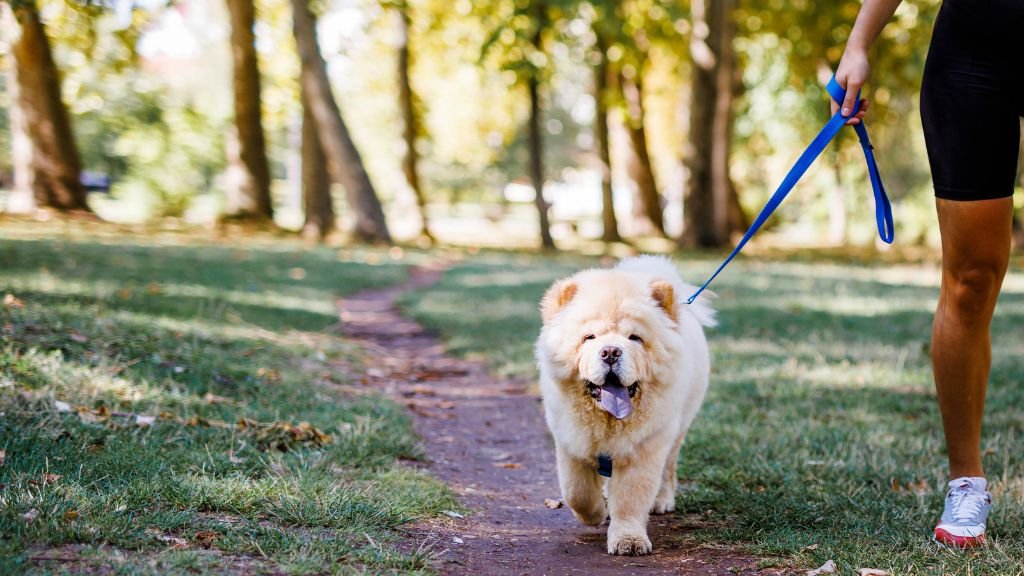
So your puppy has turned every walk into a tug-of-war. You step outside, clip the leash, and suddenly your dog is dragging you down the street like a runaway freight train. Sound familiar?
Leash pulling is one of the most common behavior struggles new puppy owners face.
The good news is that it is not a personality flaw in your dog. It is just a habit that has not been corrected yet - and the right puppy walking tips can change that faster than you might think.
Why Puppies Pull on the Leash in the First Place
Before you can fix the problem, it helps to understand what is driving it. Puppies pull because pulling works. The moment your dog lunges forward and you follow, they learn that forward momentum gets them what they want - a smell, a squirrel, a patch of grass worth investigating.
It is not stubbornness. It is just a puppy doing what made sense before anyone taught them the rules.
Some breeds are more prone to pulling than others. Working dogs, hounds, and high-energy breeds were literally developed to move fast and follow their instincts. For these animals, walking calmly on a leash goes against everything their genetics were built for, which means they need more consistent dog training to override those impulses.
Anxiety can also play a role. A puppy that is overstimulated by the outdoor environment may surge ahead because they are overwhelmed and not sure how to process it all. Recognizing the difference between excitement and anxiety matters when you are figuring out how to respond.
The Right Gear Makes a Difference
You would not ride a horse with just a string around its neck, and for good reason. A horse harness or halter distributes pressure across the animal's body in a way that gives you real control without causing harm. The same principle applies to dogs.
Choosing the Right Collar or Harness
A standard flat dog collar is fine for ID tags, but it is not always the best tool for teaching leash manners. When a puppy pulls and the pressure lands entirely on their throat, it can be uncomfortable and even carry a health risk over time, especially for small breeds or brachycephalic dogs with compressed airways.
A front-clip harness redirects your puppy toward you when they pull forward, making it much harder for them to gain momentum. A head halter works on a similar principle to a horse halter - it guides the dog's head, and where the head goes, the body follows.
Talk to your vet or a certified trainer about which option makes the most sense for your puppy's size and breed. What works beautifully for a Labrador may not be the right fit for a smaller, more sensitive dog.
Core Puppy Walking Tips That Actually Work
Here is where the practical stuff lives. These techniques are not gimmicks. They are consistent, reward-based methods that work with your puppy's brain instead of against it.
Stop the Moment Pulling Starts
The single most effective thing you can do when your puppy pulls is stop walking entirely. Plant your feet. Do not yell, do not yank the leash - just become an immovable object.
The moment your dog releases tension on the leash and turns back toward you, even slightly, that is your cue to praise them and move forward again. You are teaching them, through repetition, that a tight leash goes nowhere and a loose leash goes everywhere.
This takes patience. Your walks will be slow and interrupted for a while. That is normal and expected, and it is a sign the training is working.
Change Direction Unpredictably
Another effective method is to randomly change direction when your puppy gets ahead of you. Instead of following your dog's lead, you become the one setting the pace and route.
When you turn and walk the other way, your puppy has to hustle to catch up. Over time, they learn to keep an eye on you because they never know which way you are about to go. This builds attention and focus, which is exactly what loose leash walking requires.
Reward Position, Not Just Behavior
Most owners reward their puppy when they sit or come, but forget to reward them for simply walking in the right place. If your dog is strolling along calmly at your side, that is absolutely worth acknowledging.
A small treat delivered at your hip level reinforces that being beside you is the best place to be. You are not bribing your dog. You are showing them where the good stuff happens.
Practice in Low-Distraction Areas First
Trying to train leash manners in a busy park is like trying to learn to drive on a highway. Start in your backyard, your driveway, or a quiet street where your puppy can focus on you instead of everything else happening around them.
As their behavior improves in calm settings, gradually increase the level of distraction. This progressive approach is how real learning sticks.
How Exercise Affects Leash Behavior
A puppy with too much pent-up energy is going to pull. It is almost guaranteed. When a dog has been cooped up all day, the leash comes on and they simply explode with everything they have been holding in.
Regular exercise is not just a health benefit - it is a behavior management tool. A puppy who gets consistent daily walks is calmer, more focused, and far easier to work with during training sessions.
This is one reason why professional dog walking in Columbus, OH can be genuinely useful during the puppy stage, especially if you work long hours. When Loki, your energetic puppy, gets a midday walk on a regular schedule, he comes home from that walk with enough edge taken off that evening training actually has a chance to land.
Structure and routine calm the nervous system. That is true for humans and it is just as true for dogs.
The Role of Consistency in Dog Training
Here is the part most people underestimate. Puppy walking tips only work if every person walking the dog follows the same rules. If one family member lets the puppy pull and another stops every time, the puppy just learns that the rules change depending on who holds the leash.
Consistency is not about being rigid or robotic. It is about making sure the message your puppy receives is clear and repeatable. Dogs learn through patterns, not lectures.
If you have kids who walk the dog, or a partner who takes different routes at different times, get everyone on the same page. Even a quick five-minute conversation about stopping when the leash goes tight can make a measurable difference within a week.
When to Bring in Extra Support
Some puppies catch on quickly. Others take longer, especially if pulling has already become a deeply ingrained habit or if anxiety is a significant factor.
If you have been consistent for several weeks and are not seeing improvement, it is worth consulting a certified dog trainer who can observe your dog's specific behavior patterns and adjust the approach accordingly. There is no shame in asking for help - experienced trainers see these situations every day.
Professional dog walking can also serve as reinforcement for the training you are doing at home. A walker who understands leash manners and practices the same techniques during daytime walks gives your puppy more repetitions with the right behavior, and more repetitions mean faster results.
How to Make Puppy Walking Easier
Leash pulling is frustrating, but it is fixable. The key is understanding why it happens, using the right gear, and applying consistent techniques every single time you walk out the door.
If you are a busy pet owner in Columbus and your puppy needs more structured daily walks to support their training, Happy Tails Pet Care has been helping dogs and their families build better routines since 2013. Learn more about our dog walking services and how a consistent walking schedule can make a real difference for your pup.